
Dental Caps for Damaged Teeth
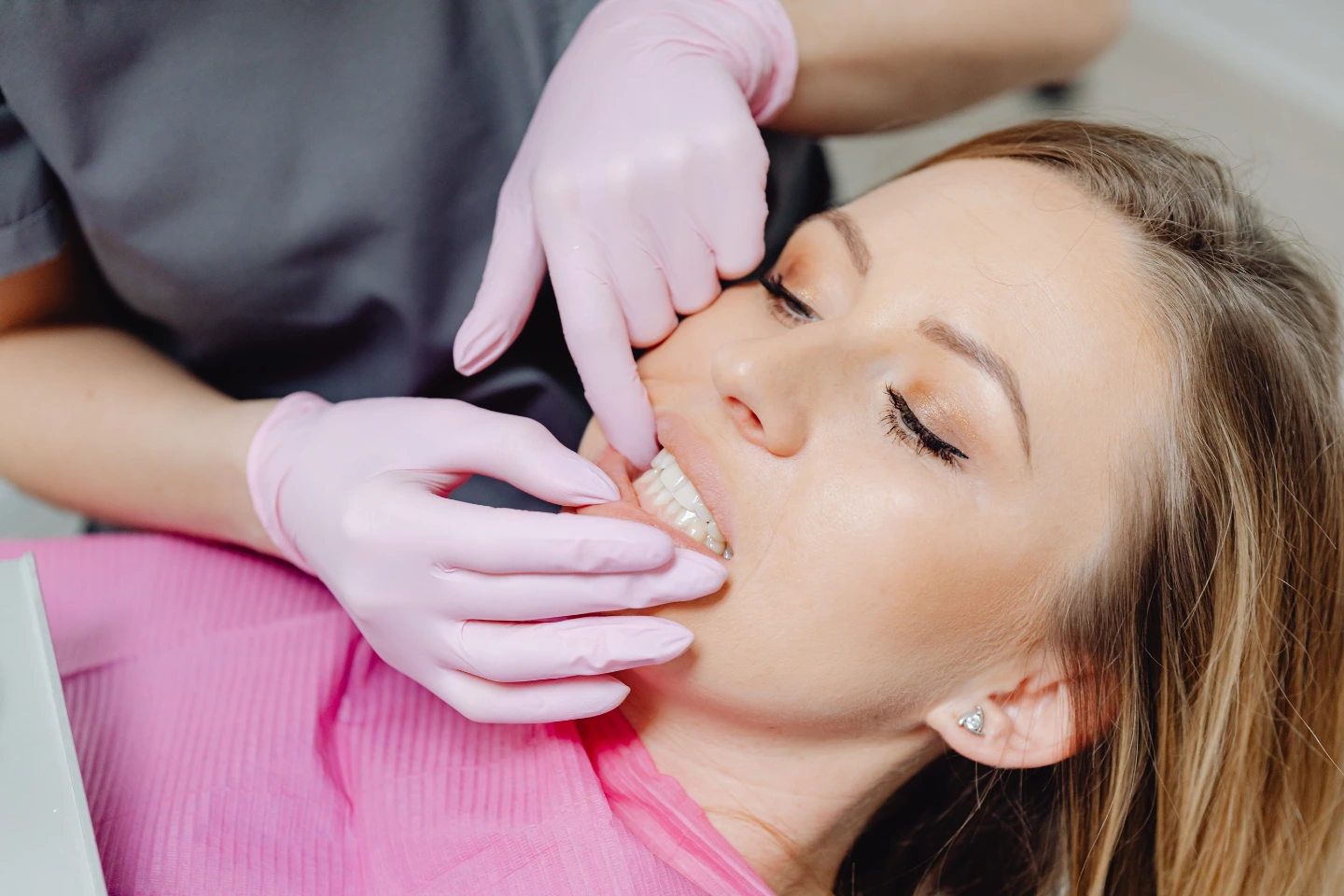
A chipped edge, a tooth that's gone dull and brittle since your root canal, a molar that cracked on a piece of ice last winter. None of that has to mean losing the tooth. A dental cap rebuilds what's left of a damaged tooth and gives it back the strength to bite, chew, and hold up for years.
At Southbridge Dentistry & Implants, we place custom dental caps for patients across Southbridge, Sturbridge, Dudley, and Charlton, MA who want their tooth saved rather than pulled. Dr. Pradeep Bholla completed a residency in prosthodontics, the dental specialty focused specifically on tooth restoration, so cap and crown work sits at the center of what our team does every day.
Here's what a dental cap actually protects against, how the treatment works, and what to expect before you come in.
A dental cap can help if you're dealing with:
- A tooth that cracked, chipped, or broke
- A large old filling that's weakening the tooth around it
- A tooth that just had root canal treatment
- Visible wear from grinding or years of use
- Decay too extensive for a simple filling
- A tooth that's structurally sound but looks uneven or discolored
Schedule a Consultation or call (508) 909-6122 to find out if a cap is the right fit for your tooth.
What Is a Dental Cap?
A dental cap is another name for a dental crown. There's no clinical difference between the two terms. "Cap" is simply the everyday word patients use, while "crown" is the term you'll hear more often from your dentist or read in insurance paperwork.
A dental cap is a custom-made covering that fits over the entire visible portion of a tooth, from the gumline up. It's shaped and shaded to match your natural bite and smile, and once it's cemented in place, it becomes the new outer surface of that tooth. Everything underneath, the remaining natural tooth structure and root, stays intact and continues to function as it always has.
Think of it less as a replacement tooth and more as a reinforced shell. It takes the daily stress of biting and chewing off a tooth that can no longer handle that stress on its own.
Signs You May Need a Dental Cap
Some of these signs are obvious. Others sneak up gradually, which is why regular exams matter even when nothing hurts yet.
Broken tooth. A visible fracture, a missing corner, or a tooth that suddenly feels sharp against your tongue all point toward needing a cap.
Large filling. Once a filling takes up more space than the natural tooth around it, that tooth is at real risk of cracking under normal chewing pressure. A cap distributes that pressure evenly across the whole tooth.
Cracked tooth. Cracks aren't always visible. A tooth that hurts when you bite down and release, sometimes called cracked tooth syndrome, often needs a cap before the crack spreads deeper.
After a root canal. Once the infected pulp is removed during root canal treatment, the tooth becomes more brittle over time. Most root canal-treated teeth, especially molars, need a cap to prevent future fracture. Our root canal treatment page covers what that procedure itself involves.
Weak or worn tooth. Years of grinding, clenching, or acid wear can thin enamel to the point where the tooth needs reinforcement.
Severe decay. When a cavity is too large for a standard filling but the tooth can still be saved, a cap restores what decay took away.
Cosmetic improvement. Some teeth are structurally fine but misshapen, badly discolored, or uneven. A cap can address appearance and durability in the same restoration.
Conditions Dental Caps Can Treat
Beyond the signs above, dental caps are the standard fix for tooth fractures that don't require extraction, structural weakness following deep decay or old dental work, and enamel loss from grinding or acid erosion. In each case, the goal is the same: stop the damage from progressing and give the tooth a surface that can handle real chewing force again.
Types of Dental Caps
Not every damaged tooth needs the same material. Location in the mouth, how much force the tooth handles, and your priorities around appearance all factor into the recommendation.
Porcelain. Best for front teeth and anywhere your smile shows. Porcelain gives the closest match to natural tooth color and translucency of any cap material.
All-ceramic. Works well for both front and back teeth. It's metal-free, strong, and blends naturally with surrounding teeth.
Zirconia. The go-to for molars and other heavy-bite areas. Zirconia resists chipping and cracking while still looking tooth-colored, not metallic.
Full metal. Reserved for back molars under heavy pressure. It's the longest-wearing option and requires removing the least amount of natural tooth structure.
PFM (porcelain-fused-to-metal). A hybrid that works in either location, pairing metal strength underneath with a porcelain outer layer for appearance.
Temporary. Placed between visits to protect the prepared tooth while your permanent cap is fabricated.
Zirconia has become a popular choice for molars because it holds up to heavy chewing force without sacrificing a natural look. Porcelain and all-ceramic options remain the go-to for front teeth where color match matters most. We'll walk through which material fits your tooth and bite during your consultation.
The Dental Cap Procedure
Getting a cap is a straightforward process, and most patients are surprised by how comfortable it is.
- Consultation and digital imaging. We examine the tooth and take digital X-rays to check the root and surrounding bone before recommending a cap.
- Tooth preparation. The damaged or decayed portion is removed, and the remaining tooth is reshaped to accept the cap.
- Digital impressions. Using our intraoral scanner, we capture a precise digital model of your tooth instead of the old-style putty impression.
- Temporary cap. A temporary cap protects the prepared tooth while your permanent restoration is fabricated.
- Final placement. Once your custom cap is ready, we check the fit, adjust the bite, and cement it permanently in place. In select cases, our CAD/CAM technology allows a same-day crown, cutting out the temporary step entirely.
- Follow-up. We confirm your bite feels natural and that the cap is sitting exactly as it should.
Benefits of Dental Caps
A well-placed cap does more than cover a problem tooth. Patients typically notice:
- Protection for a tooth that would otherwise keep breaking down
- Restored strength for biting and chewing without hesitation
- Natural appearance that blends with the surrounding teeth
- Comfort, since the sharp edges or sensitivity from a damaged tooth go away
- Better chewing ability on a tooth you may have been avoiding
- Clearer speech when a front tooth has been rebuilt properly
- More confidence in your smile day to day
Dental Cap vs. Filling
A filling is the right call for small to moderate cavities, since it only restores the damaged portion of the tooth and doesn't add strength anywhere else. A dental cap covers the entire visible tooth and reinforces it as a whole, which is why it's the better fit for extensive damage, large old fillings, or a tooth that's become structurally weak. Fillings simply can't fix a tooth with a fracture or heavy structural loss, no matter how the cavity itself looks.
If more than half the tooth's original structure is gone, a filling usually won't hold up long-term. That's the point where a cap becomes the more durable choice.
Dental Cap vs. Veneer
A veneer covers only the front surface of a tooth and requires removing just a thin layer of enamel, since its job is almost entirely cosmetic. A dental cap covers the full tooth on all sides, requires reshaping more of the tooth underneath, and is built to restore strength and function in addition to appearance. Veneers suit cosmetically healthy teeth that need a smile upgrade; caps suit teeth that are damaged, weakened, or heavily decayed.
Veneers are a cosmetic solution for teeth that are structurally sound. If a tooth is cracked, broken, or has lost significant structure, a cap is the appropriate treatment, not a veneer.
Dental Cap vs. Tooth Extraction
Extraction should be a last resort, not a first option. A cap preserves your natural tooth root, which means your jawbone keeps the stimulation it needs and your bite alignment stays intact. Extraction, on the other hand, opens the door to bone loss, shifting teeth, and the added cost and time of a replacement down the line, whether that's a bridge or a dental implant.
We only recommend extraction when the tooth's root is fractured, infected beyond repair, or there simply isn't enough healthy structure left to support a cap. For most damaged teeth, saving the tooth with a cap is both the healthier and more cost-effective path.
Dental Cap After Root Canal
Yes, most teeth need a cap after root canal treatment, and this is one of the most common questions we get. Once the infected pulp is removed, the tooth loses its internal blood supply and becomes more brittle over the following months and years. Without a cap, a root canal-treated tooth, particularly a molar, is at meaningfully higher risk of cracking under normal chewing.
The timeline typically works like this: your root canal is completed first, the tooth is given time to settle, and then we place a cap to seal and protect it long-term. In cases involving multiple teeth or a gap from a previously lost tooth, a dental bridge built on capped teeth may be part of the plan instead of a single cap.
How Long Do Dental Caps Last?
Most dental caps last 10 to 15 years, and many go well beyond that with good care. How long yours lasts depends on a few factors:
- Material. Zirconia and full metal tend to outlast porcelain in high-pressure areas.
- Location. Front teeth generally see less biting force than molars.
- Bite habits. Grinding or clenching shortens the lifespan of any cap.
- Home care. Consistent brushing and flossing around the cap prevents decay at the margin where it meets your natural tooth.
- Regular checkups. Catching small issues early keeps a cap functioning longer.
Caring for Your Dental Cap
A cap doesn't need special products, just consistent basics. Brush twice daily and floss around the cap the same way you would a natural tooth, paying attention to the gumline where the cap meets your tooth. Avoid chewing ice, hard candy, or using your teeth to open packaging, since those habits are a common cause of cracked caps. If you grind your teeth at night, ask us about a night guard to protect both the cap and your other teeth. And keep up with routine dental visits so we can check the fit and seal at each cleaning.
Why Choose Southbridge Dentistry & Implants
Restorative work like crowns and caps is exactly where Dr. Bholla's training is concentrated. His residency in prosthodontics means tooth restoration isn't a side service here, it's a specialty. Paired with Dr. Vamsi Kalepu's more than 17 years of general and restorative experience, our team has seen the full range of what damaged teeth need.
We also invest in technology that makes cap treatment more precise and often faster. Digital impressions replace messy trays, and CAD/CAM can produce some crowns the same day. We also walk you through material options and costs before any work begins, with financing available through CareCredit, Cherry, and in-house plans.
If you're nervous about the process, that's normal. Most patients tell us the appointment felt far more manageable than they expected.
Frequently Asked Questions
Q. Is getting a dental cap painful? No. The tooth is numbed before any preparation begins, and most patients describe the sensation as similar to getting a filling. Mild sensitivity for a day or two afterward is normal.
Q. How much does a dental cap cost? Cost varies based on the material chosen, the tooth's location, and whether insurance or financing applies. We provide a clear cost breakdown during your consultation before any treatment starts.
Q. Can a dental cap fall off? It's uncommon with proper placement and care, but it can happen if the cement weakens over time or the cap is damaged by biting something hard. If yours ever feels loose, call us right away rather than waiting.
Q. Do I need to avoid certain foods with a dental cap? Once it's fully placed, you can eat normally. We do recommend avoiding ice chewing, hard candy, and using your teeth as tools, since those habits are hard on any cap material.
Q. Can a temporary cap come off before my next visit? Occasionally, since temporary cement is intentionally weaker. If it comes loose, keep it if you can and call us so we can re-seat it before your permanent cap is ready.
Q. Will insurance cover a dental cap? Many dental insurance plans cover a portion of crown treatment when it's medically necessary, such as after decay or a fracture. We accept most major plans and can help you understand your specific coverage.
Q. How do I know if I need a cap or just a filling? It generally comes down to how much healthy tooth structure remains. If the damage is limited, a filling may be enough. If a large portion of the tooth is compromised, a cap provides the reinforcement a filling can't.
Q. Can a front tooth get a natural-looking cap? Yes. Porcelain and all-ceramic caps are specifically chosen for front teeth because they can be shaded and shaped to match the surrounding teeth closely.
Q. What happens if I wait too long to get a cap on a cracked tooth? The crack can deepen, sometimes reaching the tooth's nerve or splitting the root, which can turn a straightforward cap into a root canal or even an extraction. Earlier treatment keeps more options open.
Q. Is a same-day crown as durable as a traditional one? Same-day crowns made with CAD/CAM technology use the same high-quality materials as traditionally fabricated crowns. The difference is in the timeline, not the durability.
Q. Can children get dental caps? Yes, particularly for baby molars with extensive decay where a filling won't hold up until the tooth naturally falls out. These are usually stainless steel or specialized pediatric crowns.
Q. How long does the whole process take from start to finish? A traditional cap typically takes two visits over one to three weeks, accounting for lab fabrication time. Same-day options can complete the process in a single appointment when appropriate.
Q. Do dental caps stain over time? Porcelain and ceramic caps resist staining better than natural enamel, though they aren't completely immune to it. Good oral hygiene keeps them looking their best for years.
Ready to Protect Your Damaged Tooth?
A cracked, weakened, or heavily decayed tooth won't get better on its own, and waiting usually narrows your options rather than widening them. If you're dealing with any of the signs above, or you're not sure whether your tooth needs a cap, a filling, or something else, we're glad to take a look.
Call (508) 909-6122 or request an appointment online to schedule your consultation at Southbridge Dentistry & Implants. We'll examine the tooth, walk you through your options honestly, and help you get back to chewing, smiling, and speaking without thinking twice about it.


Hours
Monday: 9:00 AM – 7:00 PM
Tuesday – Friday: 9:00 AM – 6:00 PM
Saturday: 9:00 AM – 3:00 PM
Sunday: Closed




© 2026 Southbridge Dentistry & Implants | All Rights Reserved | Privacy Policy | HIPAA Policy | Digital Marketing by Remedo