
Why Regular Dental Checkups Are Essential Even If Nothing Hurts
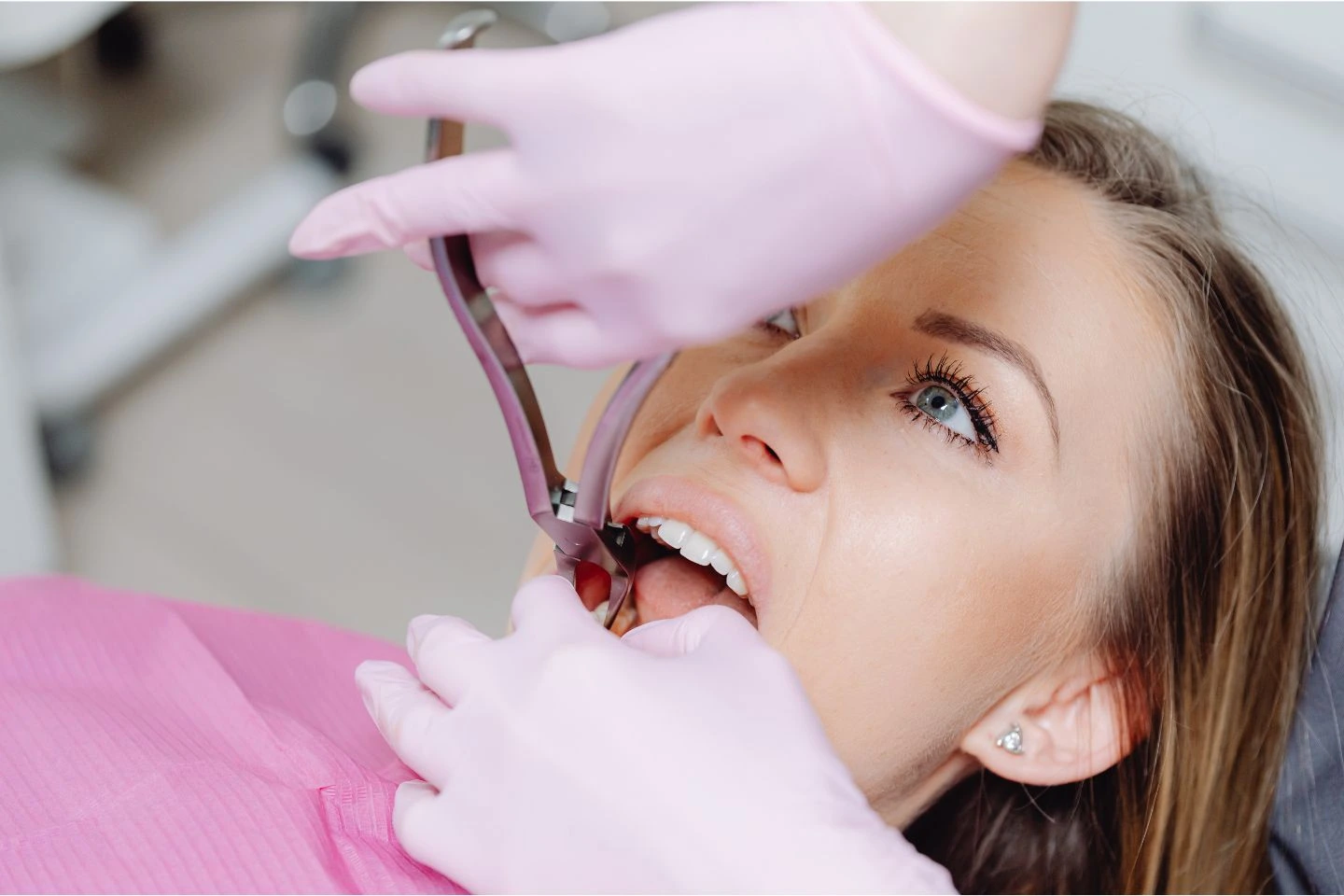
Morning routines move fast. You pour a cup of coffee, brush quickly, check the mirror, and figure everything is fine because nothing aches. When your teeth feel completely normal, calling a dental clinic to book an appointment usually falls straight to the bottom of the pile.
Procrastination is easy when schedules fill up, and most folks prefer an "if it is not broken, do not touch it" rule for healthcare. The tricky part is that teeth don't always sound an alarm when trouble starts. Small cavities, hairline fractures, and early gum irritation often develop in total silence, bypassing pain entirely while they grow.
Skipping appointments because nothing hurts is common, but taking a closer look at preventive dentistry in Southbridge, MA, shows why routine visits change the game. Catching issues early beats waiting for a toothache every single time.
The Hidden Nature of Dental Issues
Pain is supposed to act as an emergency brake, warning us to get help fast. Unfortunately, dental problems love to sneak past that warning system during their early, easily fixable stages.
Take a standard cavity, for instance. The outer enamel of your tooth lacks any nerves. When decay starts chewing through that outer shell, you won't feel a single twinge. That decay can tunnel all the way through the enamel and deep into the softer dentin underneath before it ever reaches a nerve. By the time a sharp ache finally wakes you up at night, what could have been a quick, simple filling might demand a crown or root canal.
Gum disease works the exact same way. Gingivitis creeps in with symptoms so mild, like a tiny pink trace on your floss, that it is easy to brush off. Regular checkups catch these quiet issues while they are still small, reversible, and budget-friendly.
What Takes Place During a Checkup?
A standard dental visit involves much more than a quick polish with flavored paste. It acts as a full evaluation of your entire oral system. When you lean back in the chair, the dental team reviews several key areas:
- Clearing Stubborn Tartar: Even with diligent brushing, microscopic plaque can linger and harden into stubborn tartar. Once tartar forms, a toothbrush cannot touch it; professional tools are required to clear it away safely.
- Hunting for Hidden Decay: Dentists use targeted lighting, instruments, and digital X-rays to find decay hiding between teeth, under old restorations, or near the roots.
- Assessing Gum Health: The hygienist measures the tiny spaces between your teeth and gums to check for inflammation, pocketing, or early periodontal changes.
- Screening for Oral Health Risks: Every routine visit includes a fast, comfortable check of your tongue, cheeks, floor of the mouth, and neck for any unusual tissue changes.
Saving Time, Stress, and Money Down the Road
Let's look at the practical side for a moment. Skipping regular exams to save a little time or cash almost always costs more later on.
Proactive care centers entirely around prevention. Spotting minor wear, a loose filling, or a budding cavity early lets you fix a minor annoyance before it becomes a full-blown emergency. Emergency dental work, like managing a severe infection or a broken tooth on a holiday weekend, brings plenty of stress, discomfort, and a much heftier bill than a standard preventive visit. Routine checkups act like a safety net for your smile.
The Connection Between Mouth and Body
Teeth do not live on an island separate from the rest of your system. Medical research continues to uncover strong links between oral health and overall wellness.
Persistent gum inflammation doesn't just stay put in the jawbone. Bacteria from untreated periodontal issues can enter the bloodstream, and studies tie poor oral health to conditions like heart disease and diabetes complications. Keeping the mouth clean and monitored protects far more than just the smile; it supports total bodily health.
Setting Up a Reliable Routine
It happens to almost everyone. Months turn into a year, a year turns into two, and suddenly nobody has seen a dentist since the last insurance cycle. Before long, the clinic is only called when something hurts.
Switching from reactive fixes to proactive care changes everything. Locking visits in ahead of time, usually every six months, depending on specific needs, takes guesswork out of the picture. It turns dental care into a normal part of health maintenance, right alongside regular physical exams.
Protect Your Smile in Southbridge, MA
Waiting for pain to push you into the dental office usually means waiting too long. Taking a proactive stance keeps a smile strong, comfortable, and healthy for years to come. At Southbridge Dentistry & Implants, the team loves helping patients stay ahead of dental concerns through gentle, thorough preventive care. Whether it has been six months or several years since the last visit, getting back on track is straightforward. Contact the office today to schedule the next checkup.
Frequently Asked Questions
Q: How often should routine dental checkups be scheduled?
A: For most people, visiting the dental office every six months serves as the standard recommendation for catching small issues early. Depending on personal dental history or gum health, a dentist might suggest a different schedule.
Q: Can cavities be prevented entirely just by brushing at home?
A: Brushing and flossing provide essential foundations, but they aren't completely bulletproof. Plaque can still turn into tartar in hard-to-reach spots, and hidden decay between teeth requires professional tools and X-rays to spot.
Q: Why do gums bleed during a cleaning if nothing hurts?
A: Bleeding usually points to underlying inflammation or early gum irritation from bacterial buildup under the gumline. Because gum disease often develops without pain, bleeding is frequently the body's first warning sign.
Q: What happens during an oral cancer screening at a checkup?
A: An oral cancer screening is a quick, painless visual check where a dentist inspects the lips, tongue, gums, cheeks, and neck for any unusual patches, sores, or lumps.
Q: Is feeling nervous about a routine checkup normal?
A: Absolutely. Dental anxiety is extremely common. Sharing worries with the dental team helps them take extra steps, explain every move, and keep patients comfortable throughout the visit.


Hours
Monday: 9:00 AM – 7:00 PM
Tuesday – Friday: 9:00 AM – 6:00 PM
Saturday: 9:00 AM – 3:00 PM
Sunday: Closed




© 2026 Southbridge Dentistry & Implants | All Rights Reserved | Privacy Policy | HIPAA Policy | Digital Marketing by Remedo