
Why Plaque and Tartar Removal Is Important for Your Smile
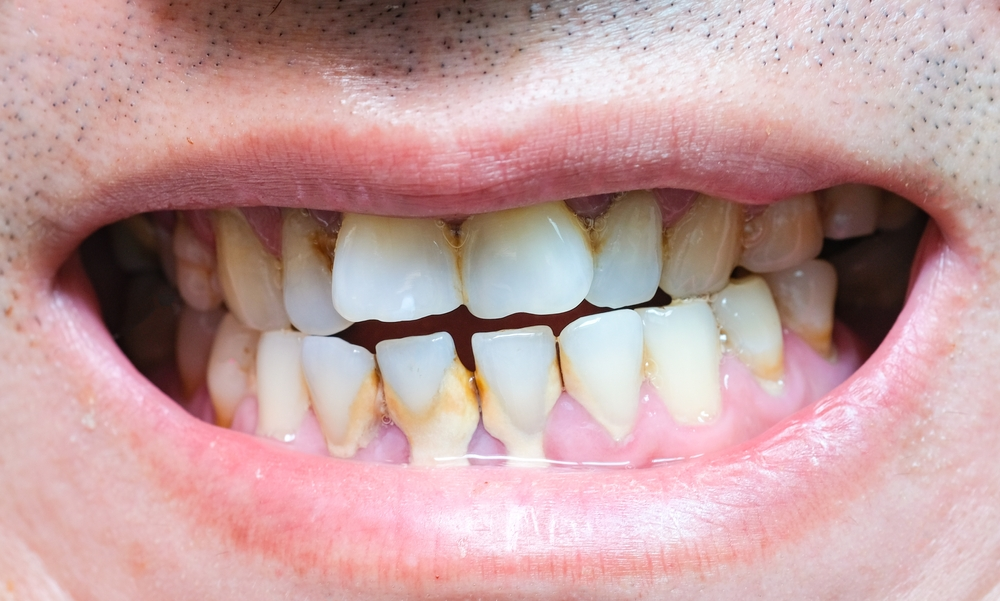
Have you ever run your tongue across your teeth late in the afternoon and noticed a weird fuzzy feeling? That slightly gritty texture is something every single person deals with. It is just a normal part of having a mouth. While that fuzzy film might seem like a minor annoyance that a quick brushing will fix, it actually represents the very first step in a chain reaction that can significantly impact your oral health over time.
We spend a lot of time talking about brushing, flossing, and picking out the right mouthwash. But the actual reasons behind these daily chores sometimes get lost in the routine. At the end of the day, everything we do in front of the bathroom mirror comes down to battling two specific things: plaque and tartar.
If you have been exploring options for preventive dentistry in Southbridge, MA, you might be curious about why dental professionals focus so heavily on scraping away this buildup during your visits. Understanding exactly what plaque and tartar are, how they behave, and why they pose a threat to your enamel can change the way you view your daily hygiene habits. Let us take a closer look at what is really happening on the surface of your teeth.
The Fuzzy Sweater Phase: Understanding Plaque
That sticky film you feel on your teeth at the end of a long day is called plaque. Plaque is essentially a bustling, invisible community of bacteria. Your mouth is a naturally warm, moist environment, which makes it the absolute perfect place for bacteria to thrive and multiply.
Every time you eat a meal, grab a quick snack, or sip a sugary drink, the bacteria in your mouth get to have a feast of their own. They feed on the lingering sugars and starches left behind on your teeth. As they digest these particles, they produce an acidic byproduct. This sticky, acidic biofilm clings tightly to the smooth surfaces of your enamel, tucks itself along your gumline, and hides out in the tiny crevices between your teeth.
Because plaque is soft and sticky, it is relatively easy to manage. This is exactly why your dentist tells you to brush twice a day and floss regularly. A soft-bristled toothbrush and a piece of dental floss can easily break up these bacterial colonies and sweep the soft film away before it causes any real trouble. The problem only starts when plaque is allowed to sit undisturbed for too long.
The Hardened Fortress: When Plaque Becomes Tartar
Life gets busy, and sometimes a quick brushing session misses a few hidden spots, especially behind the lower front teeth or near the back molars. When plaque is left on a tooth surface for about forty eight hours, something interesting and slightly problematic begins to happen.
Your saliva naturally contains minerals like calcium and phosphate, which are meant to help keep your enamel strong. However, when those minerals mix with the undisturbed plaque on your teeth, they cause the sticky film to calcify. It hardens into a rough, porous substance known as tartar, or calculus.
Once tartar forms, the rules of the game change entirely. You cannot brush or floss tartar away at home. No matter how hard you scrub or what kind of whitening toothpaste you buy, that hardened material is locked onto your tooth structure. To make matters worse, tartar has a highly textured surface. This rough exterior acts like a sponge, giving new, soft plaque a perfect, easy place to cling to and grow. It essentially creates a self-sustaining cycle of bacterial buildup.
What Happens When Buildup Takes Over
Allowing tartar to hang around does a lot more than just create a yellow or brown stain near your gums. It actively threatens the foundation of your smile in a few different ways.
First, there is the issue of tooth decay. Because tartar creates a safe harbor for plaque bacteria to multiply, those bacteria continue to pump out acids right against your enamel. Since the tartar acts as a barrier, your saliva cannot reach the enamel to wash the acid away or neutralize it. Over time, this constant acid exposure softens the tooth structure, eventually carving out a cavity.
Second, tartar is incredibly irritating to your soft tissues. When this hardened material sits along the gumline, your immune system recognizes the bacteria as a foreign threat. Your body responds by sending blood to the area to fight the infection, which leads to inflammation. You might notice your gums turning red, feeling tender, or bleeding slightly when you brush. This early stage of irritation is called gingivitis.
If the tartar is not removed, that inflammation can travel deeper beneath the gums, slowly breaking down the connective tissues and jawbone that hold your teeth firmly in place. This advanced stage, known as periodontitis, is a leading cause of tooth mobility and tooth loss in adults.
The Role of Professional Cleanings
Since your toothbrush cannot break down calcified tartar, stepping into a dental clinic is the only safe way to get rid of it.
During a routine cleaning, a dental hygienist uses specialized, sterilized instruments to gently lift and scale the hardened buildup off your teeth. They are trained to carefully navigate around the gumline and between the teeth, ensuring every surface is completely cleared without damaging the underlying enamel.
Once the tartar is scaled away, the hygienist polishes the teeth to smooth out the surfaces. This polish does not just make your teeth feel incredibly slick and clean, it also makes it much harder for new plaque to attach itself in the weeks following your appointment. Removing this burden gives your gums a chance to calm down, heal, and reattach snugly to your teeth.
Schedule Your Visit at Southbridge Dentistry & Implants
Keeping your mouth free of heavy buildup is a team effort. Your daily brushing and flossing do the heavy lifting, while professional cleanings catch the stubborn spots you simply cannot reach. At Southbridge Dentistry & Implants, our goal is to help you maintain a clean, comfortable, and healthy mouth without any judgment or stress. If you are noticing a bit of extra buildup or if your gums feel sensitive lately, we would love to help you get things back on track. Reach out to our office to schedule a gentle, thorough cleaning and keep your smile feeling its absolute best.
Frequently Asked Questions
Q: Can I scrape tartar off my teeth at home with a dental pick?
A: Attempting to scrape tartar off yourself is never recommended. Dental professionals are highly trained to use sharp instruments safely. Doing it at home can easily result in scratched enamel, cut gums, or severe soft tissue infections.
Q: Why does tartar seem to build up faster on my bottom teeth?
A: You have salivary glands located right under your tongue. Because this area receives a constant, heavy flow of mineral-rich saliva, plaque on the back of your lower front teeth tends to calcify into tartar much faster than in other areas of the mouth.
Q: Will removing tartar make my teeth sensitive?
A: You might experience a few days of mild sensitivity after a heavy cleaning. Sometimes, thick tartar actually blocks temperature sensations from reaching the tooth. Once it is removed, the tooth may need a short adjustment period to feel normal again.
Q: How long does it take for plaque to turn into tartar?
A: Plaque can begin to harden and calcify into tartar in as little as twenty four to forty eight hours if it is not thoroughly brushed or flossed away.
Q: Does mouthwash help prevent tartar from forming?
A: Certain therapeutic mouthwashes contain ingredients that help slow down the buildup of plaque and tartar. However, mouthwash should always be used as an addition to brushing and flossing, never as a replacement for physical cleaning.


Hours
Monday: 9:00 AM – 7:00 PM
Tuesday – Friday: 9:00 AM – 6:00 PM
Saturday: 9:00 AM – 3:00 PM
Sunday: Closed




© 2026 Southbridge Dentistry & Implants | All Rights Reserved | Privacy Policy | HIPAA Policy | Digital Marketing by Remedo