
What Happens During an Oral Cancer Screening at the Dentist?
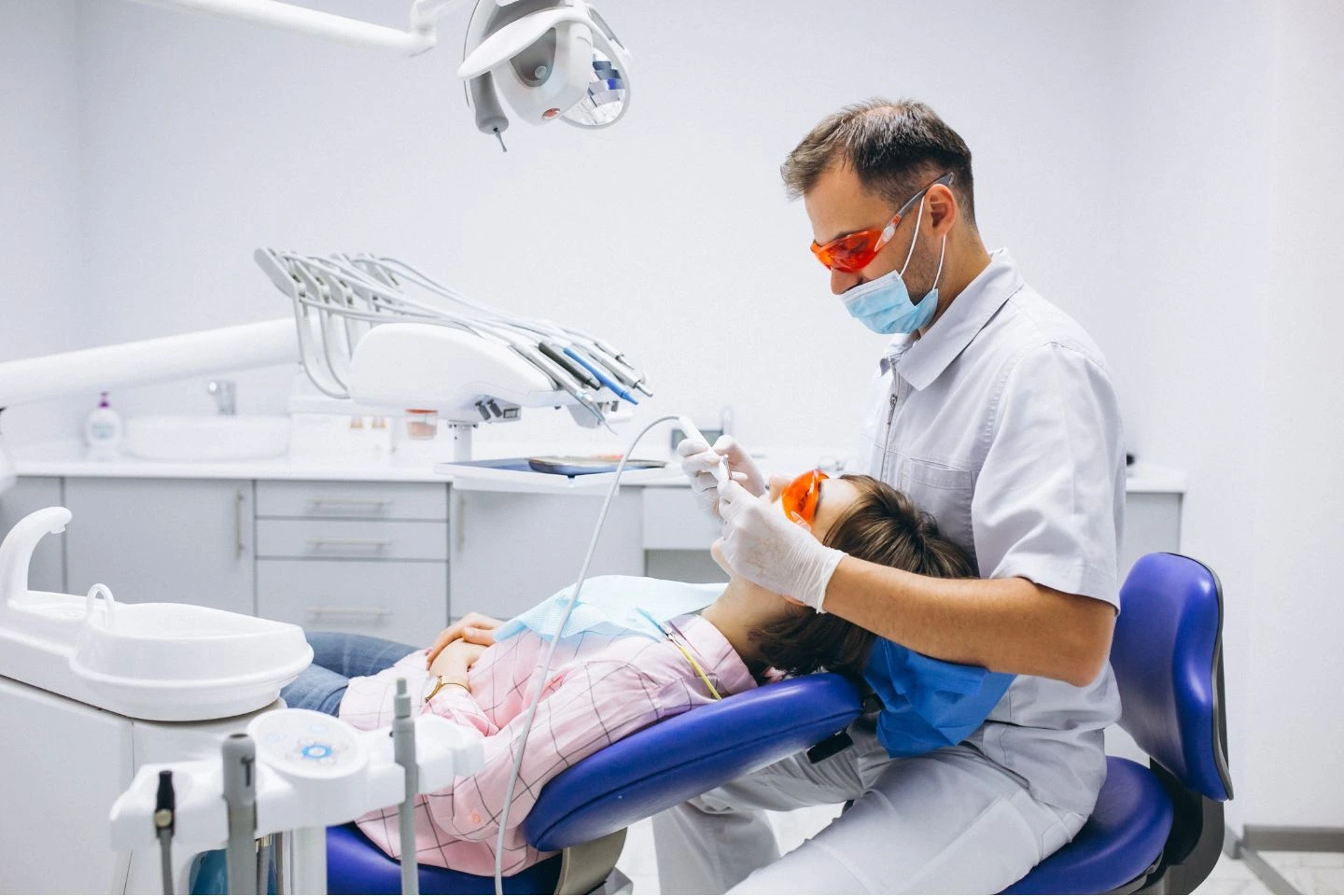
When you lean back in the dental chair and the overhead light clicks on, you probably anticipate the usual routine: a quick polish, a probe checking your gum pockets, and a count of your teeth. But nestled right into that routine is a step that takes less than sixty seconds yet carries immense weight. Your dentist is performing an oral cancer screening.
Most people breeze through this part without giving it a second thought. Because it happens so fast, it is easy to overlook. Yet that brief visual and physical check of your mouth plays a massive role in catching serious health issues long before they turn into major hurdles.
If you have ever wondered what your dentist is actually looking for, how the process unfolds, or why an oral cancer screening in Southbridge, MA, matters so much, let's pull back the curtain and walk through it step by step.
The Real Reason Routine Screenings Matter
To understand why dentists put so much emphasis on these checks, it helps to look at how oral abnormalities typically behave. In their earliest stages, oral changes rarely cause throbbing pain or dramatic physical discomfort. They often start out as tiny, easy-to-miss details—perhaps a faint white patch, a slightly velvety red spot, or a minor thickening of the tissue that feels completely normal to the touch.
If those subtle shifts go unnoticed, they can quietly progress under the radar. By the time a person experiences symptoms severe enough to prompt a separate doctor's visit—like persistent soreness, difficulty chewing, or a noticeable lump—the underlying condition may have already advanced significantly.
That is precisely why proactive checks are invaluable. An experienced dental professional is trained to spot subtle tissue changes and unusual color variations long before you would ever notice them in your bathroom mirror. Catching those irregularities early may allow for earlier evaluation and treatment, which can improve outcomes.
Inside the Screening: Step by Step
One of the best things about an oral cancer screening is how generally quick and comfortable it is. There are no needles, no goopy molds, and no special preparation required on your part. Your dentist or dental hygienist simply weaves the evaluation into your regular checkup, usually splitting it into two effortless parts:
- The visual sweep: Using a small mirror and a bright light, your dental provider looks carefully across your entire oral cavity. They inspect the inside of your lips, the lining of your cheeks, the roof of your mouth, the floor beneath your tongue, your gums, and every inch of your tongue, top, bottom, and sides. They are hunting for anything out of the ordinary, such as stubborn sores, rough patches, or unusual color mismatches.
- The gentle physical check: Next, your dentist puts on fresh gloves and uses their fingers to gently feel the soft tissues inside your mouth. They will also trace along your jawline, underneath your chin, and down the sides of your neck. This part is designed to check for hidden nodules, firm tissue thickening, or swollen lymph nodes that might point to an underlying inflammatory or abnormal process.
The whole evaluation wraps up in a minute or two. Most patients don't even realize the screening has happened until the dentist mentions it.
Factors That Keep Your Care Team Vigilant
While oral cancer can occasionally affect anyone, routine oral examinations often include screening, with frequency based on individual risk. Certain background factors can elevate your personal risk. Sharing your health history openly helps your dental team know where to focus extra attention:
- Tobacco use: Whether you smoke cigarettes, cigars, pipes, or use smokeless tobacco, this remains one of the primary risk factors for oral and throat tissue changes.
- Alcohol habits: Regular, heavy alcohol consumption independently raises your risk, and that vulnerability multiplies when paired with tobacco use.
- Sun exposure: Spending hours outdoors without lip protection increases the chance of developing sun-related cellular changes on your lips.
- HPV exposure: Certain strains of human papillomavirus—particularly HPV-16—are increasingly linked to cancers of the oropharynx, affecting areas like the base of the tongue and the tonsils.
- Age: Risk tends to creep upward as we get older, appearing most frequently in adults over the age of forty, though younger individuals can still be affected.
Even if none of those points apply to your life, routine checks remain an essential baseline for everyone. Abnormalities can occasionally pop up in people with zero known risk factors.
What Happens If a Spot Looks Suspicious?
Finding an unusual patch or sore during an exam can trigger a brief wave of worry, but it is important to remember that many mouth sores and irregularities have causes other than cancer. Your mouth takes a daily beating from hot coffee, accidental cheek bites, spicy foods, and minor everyday scrapes, meaning minor sores are common.
If your dentist spots something that warrants a closer look, they won't jump to alarming conclusions. Instead, they will document the area, ask you how long it has been there, and keep a close eye on it. If a sore or patch doesn't clear up naturally within a couple of weeks, they may recommend further evaluation, which can include a brush biopsy or referral to a trusted specialist.
Clearing up the guesswork early can provide greater clarity and ensure that if anything does need attention, it is evaluated and managed appropriately.
Book Your Consultation
Don't wait for physical discomfort to remind you to take care of your health. Reach out to Southbridge Dentistry & Implants in Southbridge, MA, today to schedule your next routine checkup and ensure your smile is thoroughly protected inside and out.
Frequently Asked Questions
Q: Is an oral cancer screening painful?
A: Usually not. The entire screening is completely non-invasive, fast, and comfortable, involving only a visual look inside your mouth and a gentle touch around your jaw and neck.
Q: How often is the screening performed?
A: Oral cancer screening is commonly included during routine dental examinations. Your dentist can recommend the appropriate frequency based on your oral health, age, medical history, and risk factors such as tobacco use.
Q: What specific signs is the dentist looking for?
A: Dentists look for subtle red or white patches, sores that fail to heal within two weeks, rough or crusty textures, localized numbness, and any unusual lumps or firm thickening in the soft tissues.
Q: Can my dentist really catch things before I feel symptoms?
A: Yes. Dental professionals are specifically trained to identify visible or palpable changes in oral tissues that may appear before those alterations cause pain, physical lumps, or functional trouble you would notice on your own. If a suspicious area is found, additional evaluation or testing may be recommended.


Hours
Monday: 9:00 AM – 7:00 PM
Tuesday – Friday: 9:00 AM – 6:00 PM
Saturday: 9:00 AM – 3:00 PM
Sunday: Closed




© 2026 Southbridge Dentistry & Implants | All Rights Reserved | Privacy Policy | HIPAA Policy | Digital Marketing by Remedo