How Smoking, Vaping, and Alcohol Increase Your Risk of Oral Cancer
When we think about habits like smoking, vaping, or having a few drinks after work, we usually worry about how they impact our lungs, liver, or heart. It is much easier to overlook what happens right where these substances make first contact: inside your mouth.
The soft tissues lining your tongue, cheeks, gums, and throat are remarkably delicate. Every time you inhale smoke, vape vapor, or swallow an alcoholic drink, those delicate cells are exposed to heat, chemical toxins, or drying agents. Over time, that repeated exposure can cause subtle changes in how those cells grow and repair themselves.
If you enjoy an occasional drink or use tobacco products and are considering an oral cancer screening in Southbridge, MA, understanding how these everyday habits affect your mouth is one of the best ways to protect your long term health.
The Way Tobacco Damage Occurs
Traditional tobacco, whether smoked in cigarettes, cigars, or pipes, or chewed as smokeless dip, is easily the most significant risk factor for developing oral tissue changes.
Cigarette and pipe smoke contains thousands of chemical compounds, many of which are known carcinogens. Every time you drag on a cigarette, that hot smoke washes over your tongue, palate, and throat. The combination of intense heat and toxic chemicals directly damages the DNA inside your mouth cells. When cellular DNA gets damaged, the cells can start dividing in abnormal, unhealthy ways.
Smokeless tobacco carries its own specific dangers. Holding a dip of chew against your cheek or lip keeps chemical toxins pressed directly against your gums for extended periods. This constant exposure often leads to thick, leathery white patches known as leukoplakia, which have a notable risk of developing into precancerous lesions over time.
What About Vaping and E-Cigarettes?
Because e-cigarettes do not burn tobacco leaf, many people assume vaping is entirely harmless to their mouth. While vaping avoids tar and heavy smoke, it is far from harmless for your oral tissues.
Vape liquids contain a mix of chemical flavorings, nicotine, and carrier liquids like vegetable glycerin and propylene glycol. Heating these liquids creates an aerosol that carries chemical byproducts like formaldehyde and heavy metals directly into your mouth.
Nicotine itself restricts blood flow to your gums and soft tissues. When blood flow drops, your mouth tissue gets less oxygen and essential nutrients, making it much harder for your body to repair small cuts or cell damage. Additionally, the chemicals in e-cigarette vapor can alter the natural bacteria balance in your mouth, leading to chronic inflammation that makes tissues more vulnerable to long term damage.
The Role of Alcohol on Mouth Tissues
Having a glass of wine with dinner or a beer on the weekend is common, but regular or heavy alcohol consumption affects your mouth in ways many people do not realize.
Alcohol acts as a solvent on the delicate mucosal lining of your mouth. It breaks down the natural protective layer of mucus, making the underlying cell walls more permeable. When those cell walls soften, they absorb other environmental toxins much faster than they normally would.
Dehydration is another major factor. Alcohol reduces natural saliva flow, leading to chronic dry mouth. Saliva is your mouth's built-in defense system; it washes away stray food particles, neutralizes harmful acids, and helps repair early tissue damage. Without enough saliva circulating, your mouth tissues stay irritated and vulnerable for much longer.
The Combined Impact of Drinking and Smoking
While smoking and drinking are each risky on their own, using both together creates a compounding effect that significantly multiplies your risk.
When you drink alcohol while smoking or using tobacco, the alcohol softens the lining of your mouth and makes your cells extra permeable. This allows the heavy carcinogens in tobacco smoke to penetrate much deeper into your soft tissues than they could on their own.
People who regularly combine heavy alcohol use with tobacco products face a substantially higher risk of developing oral cancer compared to non-users. That is why being honest with your care team about both habits helps them tailor your routine checkups appropriately.
Key Warning Signs to Pay Attention To
Changes in your mouth tissue usually happen slowly over time without causing sharp pain right away. Knowing what to look out for helps you catch minor issues early:
- A persistent sore or ulcer on your tongue, gums, or cheeks that does not heal within two weeks.
- A white patch, red spot, or mixed red and white area that lingers on your soft tissue.
- A lump, hard spot, or thickened tissue developing along your jawline, cheek, or neck.
- Unexplained numbness or loss of feeling in your lip, tongue, or gums.
- Difficulty or mild pain when chewing, swallowing, or moving your tongue.
If you spot any of these symptoms, scheduling a simple evaluation is the safest step you can take.
What Happens During a Professional Screening?
An oral cancer screening is quick, simple, and completely non-invasive. It takes just a few minutes during a standard dental checkup and causes zero discomfort.
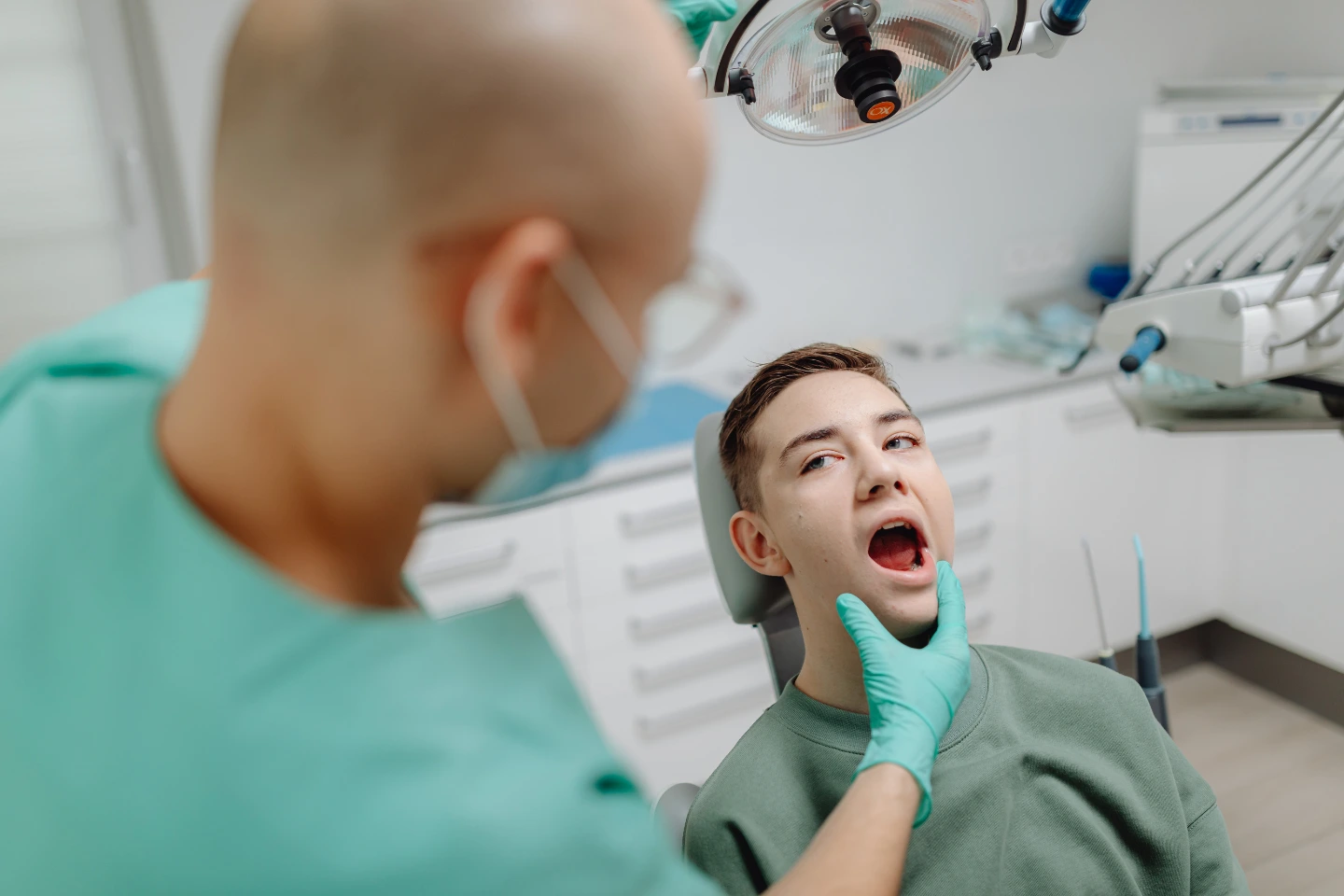
During the exam, your dentist uses a bright light to look carefully at all the soft tissues inside your mouth, including the underside of your tongue, the back of your throat, your gums, and your cheeks. They will also gently feel along your neck, jaw, and under your chin to check for any swollen lymph nodes or hard areas beneath the skin.
If your dentist spots an unusual patch or sore, they might suggest taking a small brush sample or referring you for a simple biopsy. Finding a spot during a visit does not mean you have cancer; it simply means your care team is being thorough so you get clear answers.
Protect Your Smile with Southbridge Dentistry & Implants
You do not have to make massive lifestyle changes overnight to start taking better care of your mouth. Cutting back on tobacco, keeping alcohol intake moderate, staying well-hydrated, and coming in for regular checkups all make a huge difference in keeping your mouth healthy.
At Southbridge Dentistry & Implants, we focus on supportive, non-judgmental care that puts your long term wellness first. If you use tobacco or alcohol and want to make sure your mouth tissue is in great shape, our team is here for you in Southbridge, MA.
Contact our office today to schedule your consultation and routine oral health screening.
Frequently Asked Questions
Q: Does vaping cause as much oral health risk as traditional smoking?
A: While vaping eliminates tar and carbon monoxide from burnt tobacco, e-cigarette vapor still exposes your mouth to hot chemical aerosols, nicotine, and toxins that irritate tissues and reduce blood flow. It is safer to avoid both to keep your mouth healthy.
Q: How often should I get screened if I smoke or drink regularly?
A: Most dental professionals recommend a screening at least once a year during your routine cleaning. If you use tobacco or drink heavily, your dentist may suggest checking your tissues every six months to stay proactive.
Q: Can my mouth tissue heal if I quit smoking?
A: Yes, your body begins repairing itself very quickly after you stop using tobacco. Blood flow to your gums improves, saliva production normalizes, and your mouth lining gradually reduces its risk of developing abnormal cell changes over time.
Q: Is an oral cancer screening covered by dental insurance?
A: Most dental insurance plans cover an annual oral cancer screening as part of your standard preventive exam. Our office team at Southbridge Dentistry & Implants can easily check your plan details to confirm your coverage.


Hours
Monday: 9:00 AM – 7:00 PM
Tuesday – Friday: 9:00 AM – 6:00 PM
Saturday: 9:00 AM – 3:00 PM
Sunday: Closed


© 2026 Southbridge Dentistry & Implants | All Rights Reserved | Privacy Policy | HIPAA Policy | Digital Marketing by Remedo