
Can Young Adults Get Oral Cancer? Understanding the Risks
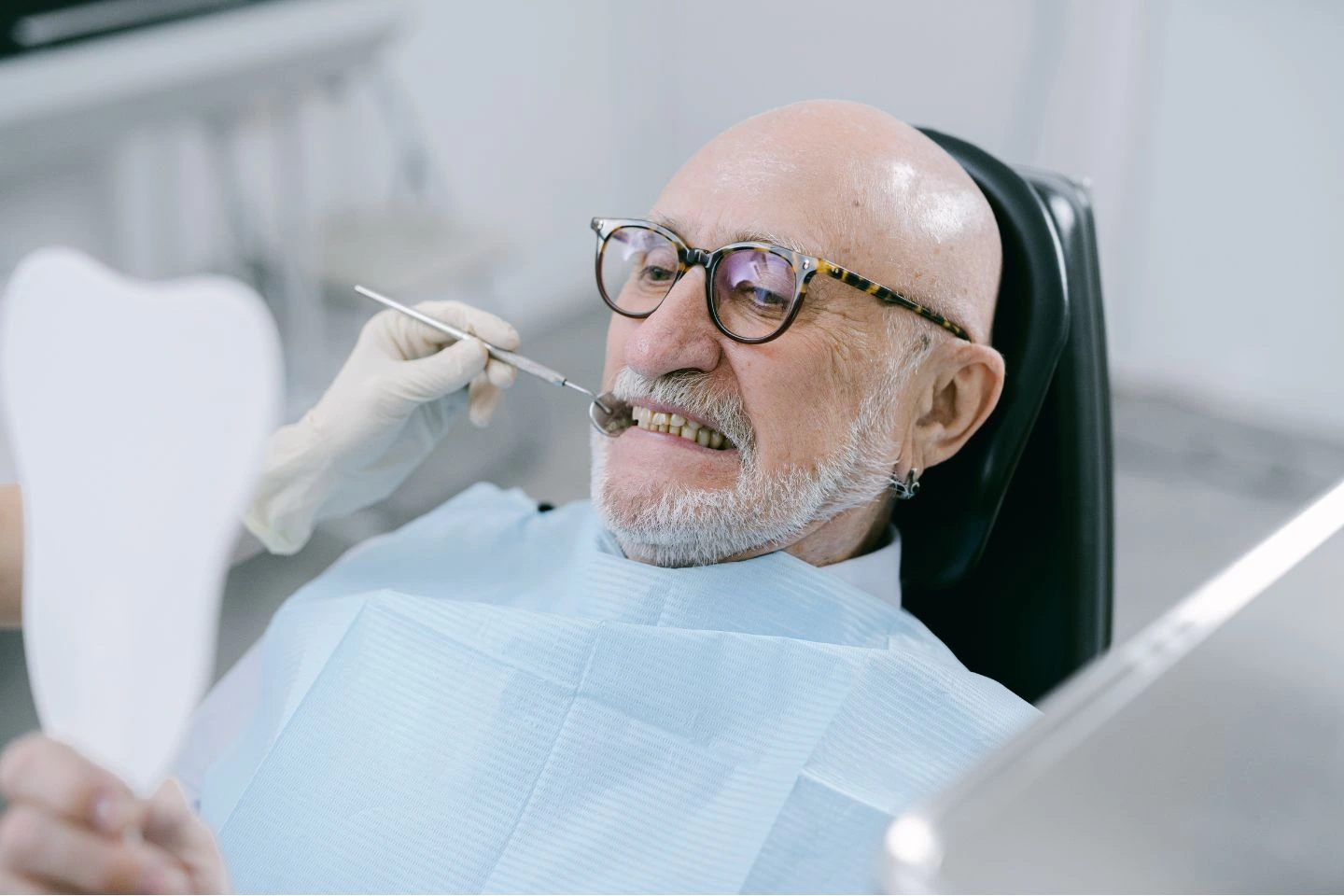
When most people picture someone diagnosed with oral cancer, they usually imagine an older adult who has spent decades smoking or using tobacco products. For a long time, that image was fairly accurate. However, HPV-related oropharyngeal cancers can affect younger adults, although these cancers are still more commonly diagnosed in older adults.
Hearing that oral cancer can affect younger people can feel surprising or even unsettling. But understanding why this is happening puts you in total control of your health. Young adults can also benefit from knowing what changes to look for and staying proactive.
If you are a young adult who noticed an unusual sore or simply want to learn more about an oral cancer screening in Southbridge, MA, knowing the modern risk factors can help you make smart decisions about your routine dental care.
Why Are Young Adult Cases On the Rise?
HPV is a major risk factor for cancers developing in the oropharynx, particularly among younger populations.
While heavy tobacco and alcohol use remain the leading causes of traditional oral cavity cancers in older adults, HPV-16, a specific high-risk strain of the virus, is strongly associated with HPV-related oropharyngeal cancers, including cancers of the tonsils and base of the tongue. HPV is extremely common; many people will come into contact with it at some point in their lives.
For most people, the immune system naturally clears the virus within a year or two without causing any noticeable symptoms. However, in some individuals, the virus can quietly persist in the delicate tissues of the mouth and throat for years. Over time, that lingering viral infection can trigger abnormal cell changes that eventually develop into cancer.
Other Everyday Risk Factors for Young Adults
While HPV is a major driving factor behind younger cases, it is not the only thing that impacts your oral health. Other everyday habits and environmental factors can add up over time.
Vaping and e-cigarette use have surged among young adults. Vaping can expose the mouth to chemical aerosols, nicotine, and other substances that may affect oral tissues and oral health.
Alcohol consumption plays a role as well. Regular or heavy alcohol consumption is associated with an increased risk of oral and oropharyngeal cancers.
Sun exposure is another easily overlooked factor. If you spend a lot of time outdoors working, playing sports, or hanging out without applying a lip balm that contains UV protection, long-term UV exposure can increase your risk of developing cancer on your lower lip.
Warning Signs Every Young Adult Should Know
Early-stage oral cancer often develops silently without causing major pain, which is why small changes are easy to brush off as a simple cold or a minor bite on the cheek. Being aware of how your mouth feels week to week is key.
You should consider scheduling a quick evaluation if you notice any of these signs:
- A sore, cut, or mouth ulcer that takes longer than two weeks to heal completely.
- A persistent red, white, or mixed red and white spot on your tongue, gums, or inner cheek.
- A painless lump, bump, or hard spot developing on your neck, jawline, or inside your cheek.
- A persistent sore throat, mild hoarseness in your voice, or feeling like something is stuck in the back of your throat.
- Difficulty swallowing food comfortably or moving your tongue normally.
- Unexplained numbness or loss of feeling in your lip, chin, or tongue.
Why Early Screenings Matter for Young Adults
Because many young adults assume oral cancer is an "older person's disease," they are more likely to ignore lingering symptoms for months before seeking medical advice. This delay can lead to diagnoses happening at later stages when treatment becomes more complex.
An oral cancer evaluation is generally quick and non-invasive and can be performed during a dental visit.
During the screening, your dentist looks closely at your entire mouth under bright light, including your gums, inner cheeks, roof of your mouth, and the sides and underside of your tongue. They will also gently feel along your neck, jaw, and under your chin to check for any swollen lymph nodes or unusual firmness under the skin.
If your dentist spots a suspicious patch or sore, they might recommend further evaluation or refer you for a biopsy if needed. Finding an unusual area during a visit does not mean you have cancer; it simply means your care team is being thorough so you get clear answers.
Simple Ways to Protect Your Mouth Health
You do not need a complicated health routine to protect your mouth tissue. Making a few straightforward choices keeps your oral health in great shape:
- Consider getting the HPV vaccine if you are within the recommended age bracket, as it helps prevent infection with HPV types that can cause oropharyngeal cancers.
- Avoid all forms of tobacco, including cigarettes, chew, and cigars, and cut back on vaping.
- Keep alcohol consumption moderate and drink plenty of water to prevent chronic dry mouth.
- Apply an SPF lip balm before heading outdoors into the sun.
- Maintain regular dental checkups so a professional can monitor your mouth regularly.
Partnering with an attentive care team at Southbridge Dentistry & Implants makes it simple to stay proactive about your long term wellness without stress.
Schedule Your Screening with Southbridge Dentistry & Implants
Your age should never be a reason to ignore an unusual sore or spot in your mouth. Getting a professional evaluation can help provide clear answers and protect your overall health.
At Southbridge Dentistry & Implants, we focus on gentle, patient-centered care for individuals of all ages. Whether you have noticed a lingering mouth sore or simply need to catch up on your routine dental checkup, our team is here for you in Southbridge, MA.
Reach out to our office today to schedule your consultation and oral health evaluation.
Frequently Asked Questions
Q: Can you get oral cancer if you have never smoked or used tobacco?
A: Yes, oral cancer can develop in non-smokers. While tobacco remains a major risk factor, HPV is associated with many oropharyngeal cancers, particularly cancers of the tonsils and base of the tongue. Heavy alcohol use and sun exposure on the lips are also risk factors.
Q: Does the HPV vaccine help prevent oral cancer?
A: Yes, research shows that the HPV vaccine effectively protects against the high-risk HPV strains, particularly HPV-16, that cause the majority of HPV-related oropharyngeal cancers.
Q: How often should a young adult get an oral cancer screening?
A: Your dentist may perform an oral cancer evaluation during routine dental visits, particularly when risk factors or symptoms are present. Your dentist can recommend the appropriate frequency based on your individual risk factors.
Q: Will a normal mouth sore heal on its own?
A: Yes, common mouth issues like canker sores, accidental cheek bites, or hot food burns typically show clear signs of healing and fade away within about two weeks. Any sore that stays in your mouth past two weeks should be checked by a dentist.


Hours
Monday: 9:00 AM – 7:00 PM
Tuesday – Friday: 9:00 AM – 6:00 PM
Saturday: 9:00 AM – 3:00 PM
Sunday: Closed


© 2026 Southbridge Dentistry & Implants | All Rights Reserved | Privacy Policy | HIPAA Policy | Digital Marketing by Remedo