
Dental Anxiety: Simple Ways to Stay Calm at Your Next Appointment
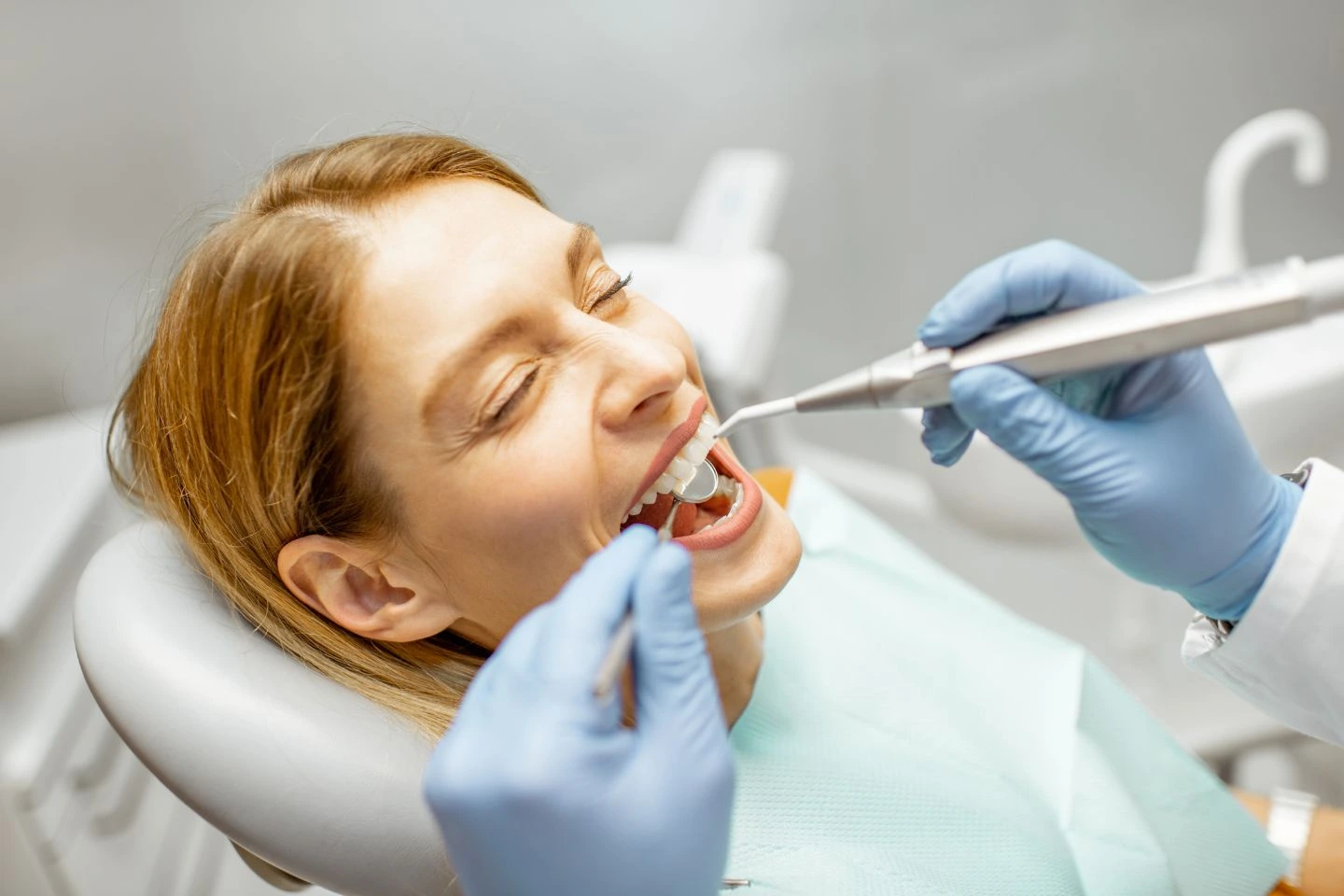
Sitting down in a dental office chair is rarely high on anyone's list of favorite afternoon plans, but for millions of people, a routine checkup can trigger genuine, intense fear. Dental anxiety is far more common than most people realize, affecting adults, teenagers, and young kids alike. For some, the worry starts with the sharp sound of clinical tools or the bright overhead lights. For others, it traces back to a painful childhood visit, a fear of local injections, or simply the uncomfortable feeling of lying back without being in control of what happens next.
The main trouble with dental fear is that it creates a cycle that gets harder to break as time goes on. When you feel nervous, you delay booking your routine cleanings. When you skip preventive checkups, minor plaque buildup or tiny surface cavities quietly develop into larger, more painful issues. Eventually, an aching tooth forces you to seek emergency care for a major treatment, which only reinforces the idea that dental visits are stressful and uncomfortable.
Breaking free from that pattern starts with realizing that you do not have to force your way through terrifying appointments. Modern dental offices have evolved dramatically over recent years, shifting their primary focus toward patient comfort, gentle care, and open communication. Learning a few practical mental strategies and understanding how to work closely with your dental team can transform your next visit into a calm, totally manageable routine.
Why Do We Experience Dental Anxiety?
Unpacking where your nervousness comes from is often the very first step toward getting comfortable in the chair. Anxiety is your body's natural response to feeling threatened, and a clinical environment presents a unique mix of sensory and emotional triggers that can easily set off your stress alarms.
Most dental fears build around a combination of these common factors:
- Anticipating Discomfort: The fear of feeling pain during a procedure remains the single biggest reason people put off scheduling a visit. Even when modern numbing gels make treatments virtually painless, the memory or thought of discomfort still lingers.
- Loss of Control and Vulnerability: Reclining all the way back in a chair while a practitioner works close to your face can make you feel cornered. Not being able to see what is happening or speak clearly creates a temporary feeling of powerlessness.
- Intense Sensory Triggers: Dental offices come with distinct sounds, smells, and visual cues. The high-pitched hum of equipment and the sterile smell of clinical supplies can spark instant physical tension before anyone even touches a tooth.
- Past Unpleasant Visits: A single bad experience in the past, especially during childhood or with a rushed provider, can leave a long-lasting mental impression that persists into adulthood.
- Fear of Judgment: People who have avoided the dentist for years often feel deep self-consciousness about the state of their teeth. They worry that the team will lecture them or make them feel bad about waiting so long to get help.
Recognizing which of these points resonates most with you makes it much easier to address the root cause and talk through real solutions with your provider.
Practical Strategies to Stay Calm Before and During Your Visit
Overcoming dental fear does not mean you have to magically feel zero stress. It is all about having simple, reliable tools to keep your nervous system grounded so you stay in control from the moment you walk through the door.
Communicate Openly With Your Care Team
Your dental team cannot adjust their approach if they do not know how you feel. Be honest about your anxiety right from the start. Mention it to the receptionist when you call to book, and remind the hygienist and dentist when you arrive in the treatment room. A supportive team will slow down, walk you through every step before starting, and give you back your sense of control.
Set Up a Clear Hand Signal
One of the easiest ways to beat the feeling of helplessness is setting up a simple stop signal before any work begins. Agree with your dentist that if you raise your left hand at any point, they will immediately pause what they are doing, remove their instruments, and let you sit up for a quick breather. Knowing you can pause the appointment whenever you want gives you immediate peace of mind.
Practice Mindful Breathing Exercises
When fear kicks in, your breathing naturally becomes shallow and rapid, sending panic signals straight to your brain and tightening up your muscles. You can counteract this physical response by practicing slow, deep abdominal breathing right in the chair. Inhale through your nose for a count of four, hold for two seconds, and exhale gently through your mouth for four counts. Doing this for just a couple of minutes drops your heart rate and relaxes your jaw and shoulders.
Bring Audio Distractions
Giving your brain something pleasant to focus on prevents your mind from zeroing in on every sound and movement in the room. Put together a relaxing playlist on your phone, download an intriguing podcast, or listen to an engaging audiobook. Wearing noise-canceling headphones works wonders for blocking out background clinical noise. You can also hold a small stress ball to keep your hands busy.
Schedule Your Appointment Thoughtfully
Try not to book your visit in the middle of a chaotic workday when you are already dealing with deadlines and traffic. Picking an early morning time slot is often ideal because you walk in fresh without spending the entire day stewing over the upcoming visit. Give yourself plenty of time so you do not feel rushed walking into the lobby.
How Modern Dentistry Keeps You Comfortable
Beyond what you can do on your own, dental practices today offer a variety of modern techniques and options designed specifically to make care as relaxing as possible.
For patients dealing with physical sensitivity or extreme nerves, dentists can offer gentle comfort options tailored to your needs. Light options like nitrous oxide, commonly known as laughing gas, help take the edge off your tension within seconds while leaving you completely awake and responsive. For higher levels of anxiety, mild oral options can help you sail through longer procedures with much less stress.
Additionally, advancements in clinical technology, such as light-based treatments and quieter tools, mean that many traditional sources of noise and discomfort are disappearing altogether.
Taking Control of Your Oral Health with Confidence
Taking care of your teeth is a vital part of protecting your overall health, and it should never feel like a terrifying ordeal. By talking openly with your care team, using simple physical relaxation tricks, and taking advantage of modern clinical comfort options, you can turn overwhelming appointments into routine, easy visits.
If you are looking for patient-first care in Southbridge, MA, reaching out to Southbridge Dentistry & Implants is a great place to start. If you want a compassionate general dentist in Southbridge MA who listens closely to your worries and prioritizes your personal comfort every step of the way, our friendly office is always here to support you. Contact us today to schedule a calm, stress-free consultation!
Frequently Asked Questions
Q: What should I do if I start feeling panicked during a procedure?
A: Simply raise your hand. Setting up a clear stop signal with your dentist before starting ensures they will pause instantly, letting you catch your breath, rinse your mouth, and reset before continuing.
Q: Is laughing gas safe for adults with high dental anxiety?
A: Yes, nitrous oxide is a very safe, time-tested option that helps relieve anxiety quickly. It wears off completely within a few minutes of breathing normal oxygen, meaning you can safely drive yourself home after your visit.
Q: Will the dental team judge me if I have not been to a dentist in years?
A: Not at all. A great clinical team focuses entirely on helping you achieve health and comfort today. Their goal is to support your progress, not to judge or lecture you about your past care.
Q: Can I bring a support person into the room with me?
A: In most cases, yes. Having a trusted friend or family member sit nearby in the treatment room can provide a strong sense of comfort, familiarity, and emotional support throughout your appointment.
Q: How do I know if sedation options are right for me?
A: If severe fear, a sensitive gag reflex, or difficulty sitting still keeps you from getting necessary dental care, discussing relaxation options during a routine consultation can help you decide if it is a good fit.


Hours
Monday: 9:00 AM – 7:00 PM
Tuesday – Friday: 9:00 AM – 6:00 PM
Saturday: 9:00 AM – 3:00 PM
Sunday: Closed


© 2026 Southbridge Dentistry & Implants | All Rights Reserved | Privacy Policy | HIPAA Policy | Digital Marketing by Remedo