
How Often Should You Get an Oral Cancer Screening?
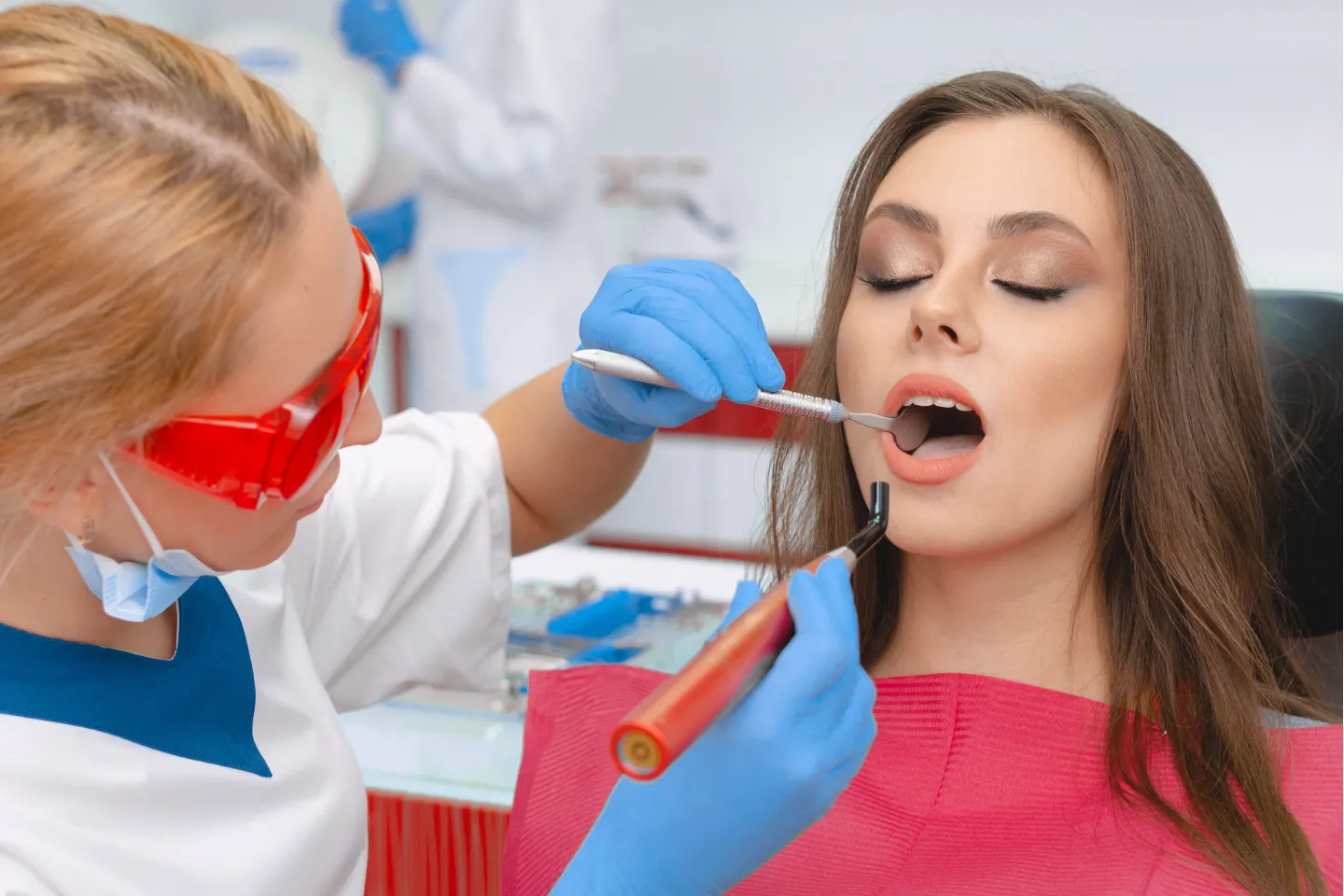
When people think about scheduling a dental appointment, they usually picture routine cleanings, cavity checks, or perhaps discussing options for a stubborn toothache. Yet nestled inside those standard visits is a quiet, potentially life-saving evaluation that happens in just a few minutes: the oral cancer screening.
Because oral health involves much more than just keeping your enamel shiny, dentists pay close attention to the soft tissues of your mouth. But a very common question pops up among patients: How often do I actually need to be checked?
Let's look at the standard timelines, why consistency matters, and what you can expect during an oral cancer screening in Southbridge, MA.
The Standard Timeline: Routine Dental Visits
For most adults, routine dental visits often include an oral cancer screening, with the frequency based on your individual risk factors and your dentist's recommendations.
In most dental offices, this evaluation isn't scheduled as a separate, cumbersome appointment. Instead, your dentist or dental hygienist seamlessly integrates the screening into your regular dental checkups and cleanings. Every time you come in for your routine polish and exam, your care team takes a quick look at your cheeks, tongue, floor of the mouth, and neck.
Pairing the screening with your standard cleanings makes it effortless to stay proactive. You don't have to remember an extra calendar date or book a standalone visit; it simply happens as a natural part of your ongoing preventive care.
Why Frequency Matters So Much
Changes in soft tissues don't follow a strict schedule, and early-stage oral abnormalities rarely announce themselves with throbbing pain or dramatic physical discomfort. They often start out as subtle tissue changes, such as a faint white spot, a tiny red patch, or a subtle thickening of the lining inside your cheek.
If those early warning signs go unnoticed, they can progress quietly beneath the radar. By the time a person experiences symptoms severe enough to prompt a separate doctor's visit—such as persistent soreness, difficulty swallowing, or a palpable lump—the underlying condition may have already advanced significantly.
Regular screening allows your dental team to identify unusual tissue changes as early as possible. Spotting irregularities early may allow for earlier evaluation and treatment, which can improve outcomes.
When You Might Need More Frequent Checks
While routine dental visits provide opportunities for screening, your dentist may occasionally recommend a slightly tighter monitoring schedule if you carry certain elevated risk factors. Being transparent about your personal health history helps your care team tailor their approach to your unique needs:
- Tobacco habits: Cigarettes, cigars, pipes, and smokeless tobacco introduce consistent chemical irritation to oral tissues, raising long-term risk.
- Alcohol consumption: Regular, heavy drinking independently increases vulnerability, and that risk can be higher when combined with tobacco use.
- Sun exposure: Spending hours outdoors without lip balm or UV protection raises the likelihood of developing sun-induced changes on the lips.
- HPV exposure: Certain strains of the human papillomavirus—particularly HPV-16—are increasingly linked to tissue changes in the back of the throat and tonsils.
- Age and history: Baseline risk tends to increase as we grow older, and anyone with a personal history of oral tissue abnormalities will naturally require closer watch.
Even if none of those points apply to you, keeping up with routine dental visits remains an important part of preventive care. Abnormalities can occasionally surface in individuals with no known risk factors at all.
What the Screening Actually Entails
If you have never really paid attention to what your dentist is doing during this part of the exam, you might be surprised by how fast and generally quick and comfortable it is. It requires zero preparation, no needles, and no uncomfortable trays.
Your provider simply performs two quick checks:
- The visual sweep: Using a small mirror and a bright overhead light, they scan the inside of your lips, your cheeks, the roof and floor of your mouth, your gums, and every angle of your tongue for unusual color variations or sores.
- The physical touch: With clean, gloved fingers, your dentist gently presses along your jawline, beneath your chin, and down your neck to check for hidden nodules or swollen lymph nodes.
The whole process is usually completed within a few minutes, leaving you free to carry on with your day after your mouth and surrounding tissues have been checked.
Schedule Your Consultation
Don't wait for physical discomfort to remind you to prioritize your well-being. Reach out to Southbridge Dentistry & Implants in Southbridge, MA, today to schedule your next checkup and keep your smile protected inside and out.
Frequently Asked Questions
Q: How often should I get an oral cancer screening?
A: Routine dental visits often include an oral cancer screening, but the appropriate frequency can vary based on your oral health, age, medical history, and risk factors. Your dentist can recommend a screening schedule that fits your needs.
Q: Do I need to book a separate appointment for the screening?
A: No. In most cases, your dentist or hygienist weaves the quick visual and physical check right into your regular dental visit without requiring any extra appointments.
Q: What if my dentist finds a suspicious spot during my checkup?
A: Finding an irregularity doesn't automatically mean you have cancer, as minor sores from everyday scrapes or hot foods are very common. If a spot doesn't clear up within two weeks, your dentist may document it, monitor it closely, or recommend further evaluation, which may include additional testing or referral to a specialist.
Q: Can oral cancer develop even if I have no risk factors?
A: Yes. While habits like smoking or heavy drinking elevate risk, oral cancer can occasionally affect individuals with no known risk factors, which is why keeping up with routine dental visits and recommended screenings is important.


Hours
Monday: 9:00 AM – 7:00 PM
Tuesday – Friday: 9:00 AM – 6:00 PM
Saturday: 9:00 AM – 3:00 PM
Sunday: Closed




© 2026 Southbridge Dentistry & Implants | All Rights Reserved | Privacy Policy | HIPAA Policy | Digital Marketing by Remedo