
Is It Possible to Have Implants With Periodontitis?
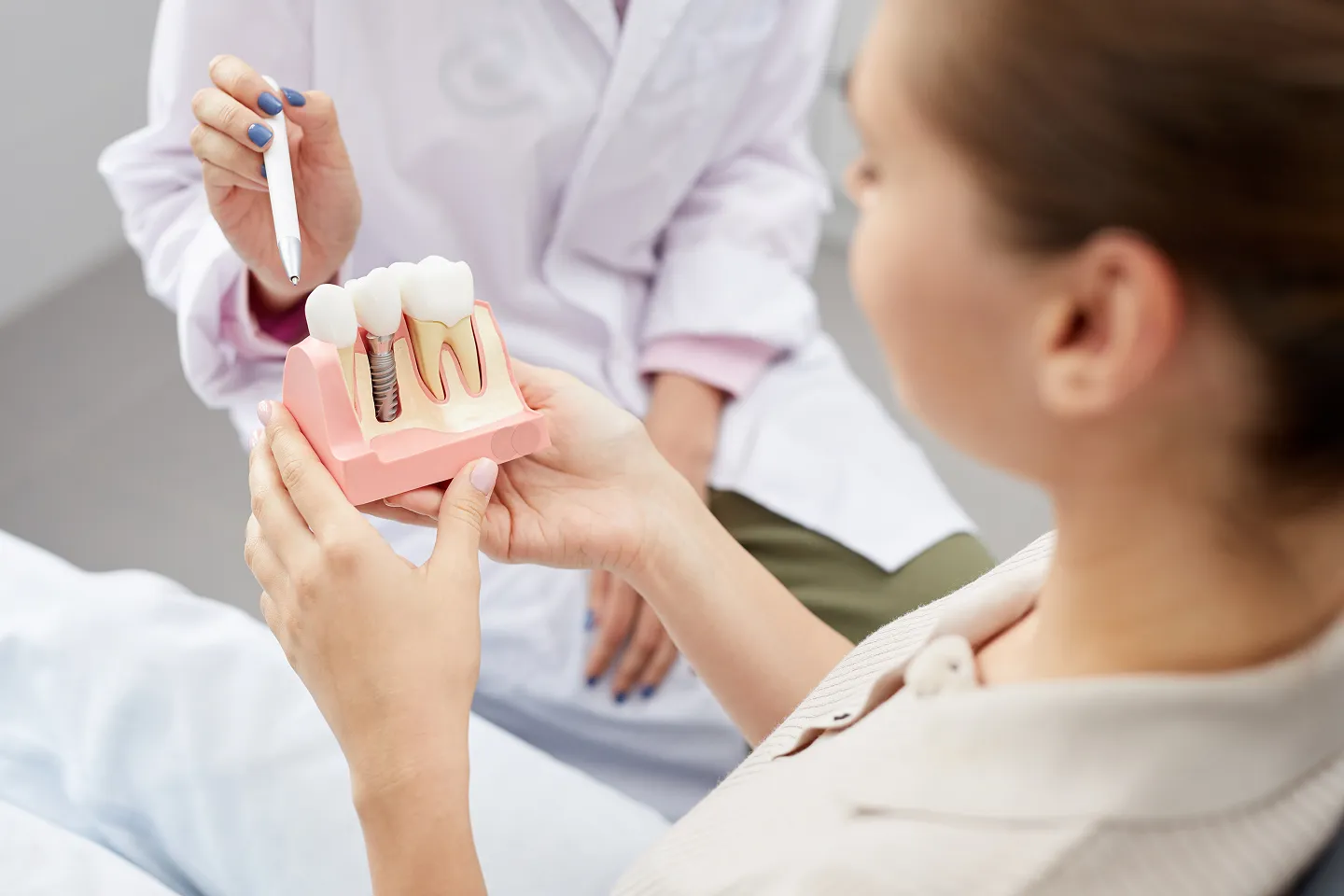
Dental implants are one of the most reliable and long-lasting ways to replace missing teeth. They look natural, feel secure, and help preserve jawbone health. However, many patients who suffer from gum disease wonder whether they still qualify for dental implants. Periodontitis is a serious condition that affects the gums and bone supporting the teeth, and it can impact the success of implant treatment.
The good news is that most patients with periodontitis can still receive dental implants, but only after proper treatment and stabilization of their gum health. For patients across Southbridge, Sturbridge, Dudley, Charlton, Fiskdale, and Charlton City, Southbridge Dentistry & Implants provides advanced implant dentistry and personalized periodontal evaluation to determine candidacy.
This guide explains whether implants are possible with periodontitis, what to expect, and how to prepare for a successful implant procedure.
Understanding Periodontitis
Periodontitis is a severe stage of gum disease caused by bacterial infection. When plaque and tartar accumulate on the teeth, bacteria irritate the gums, causing inflammation. Over time, the infection damages the tissues and bone that hold the teeth in place.
Common symptoms include:
- Red, swollen, or tender gums
- Bleeding during brushing or flossing
- Gum recession
- Loose teeth
- Persistent bad breath
- Bone loss around the teeth
Because implants rely on strong, healthy bone for support, untreated periodontitis can jeopardize implant success. This is why early diagnosis and treatment are essential.
Can You Get Dental Implants If You Have Periodontitis?
Yes, patients with periodontitis can receive dental implants, but only after the gum disease has been fully treated and stabilized. Chronic inflammation weakens the jawbone and surrounding tissues, which increases the risk of implant failure. Implant placement in an infected environment is unsafe and unpredictable.
To move forward with implant treatment, the gums and bone must be restored to a healthy, stable condition.
Why Periodontitis Must Be Treated First
Dental implants are anchored into the jawbone. If the supporting bone is infected or deteriorating, the implant will not integrate properly. Treating periodontitis first:
- Eliminates harmful bacteria
- Reduces inflammation
- Prevents further bone loss
- Creates a stable foundation for implants
- Improves long-term implant success
At Southbridge Dentistry & Implants, your dentist will evaluate gum health, take digital X-rays or scans, and develop a customized treatment plan before considering implants.
Steps to Prepare for Implants With Periodontitis
1. Comprehensive Periodontal Evaluation
The first step is assessing the extent of gum disease. This includes:
- Measuring gum pockets
- Checking gum recession
- Evaluating bone loss through imaging
- Identifying loose teeth
- Reviewing medical history
This helps determine the level of treatment needed before implant placement.
2. Professional Gum Disease Treatment
Depending on severity, treatment may include:
- Scaling and root planing
- Periodontal maintenance cleanings
- Laser gum therapy
- Medication or antimicrobial therapy
These treatments remove bacteria from deep pockets and promote healing.
3. Bone Grafting if Needed
Periodontitis often causes bone loss. If the jawbone is too weak or thin to support implants, bone grafting may be necessary. This procedure rebuilds lost bone and helps create a strong foundation for implant placement.
4. Healing and Stabilization
After periodontal therapy or bone grafting, healing time is required. The gums must be infection-free, and the bone must regain enough strength. This healing period ensures a stable environment for implant success.
5. Implant Placement
Once the gum disease is fully controlled and the jawbone is ready, implants can be placed securely. Advanced techniques allow for precise and predictable placement.
What Happens if Periodontitis Is Not Treated Before Implants?
Placing implants in an infected mouth greatly increases the risk of complications, such as:
- Peri-implantitis (infection around the implant)
- Bone loss
- Implant loosening
- Implant failure
Peri-implantitis is similar to gum disease but affects the tissues surrounding the implant. It can lead to removal of the implant and more extensive treatment later. Proper gum treatment before implant placement helps prevent these issues.
Benefits of Getting Implants After Treating Periodontitis
Once gum disease is controlled, dental implants offer many advantages:
- Restore natural chewing ability
- Improve confidence and smile aesthetics
- Prevent jawbone shrinkage
- Replace loose or missing teeth
- Support facial structure
- Provide long-term stability
For patients who have lost teeth due to periodontitis, implants can help restore function and appearance once the infection has been eliminated.
How to Prevent Gum Disease After Receiving Implants
Even after successful implant placement, maintaining healthy gums is essential. Good oral hygiene helps protect both natural teeth and implants.
Key recommendations include:
- Brushing twice a day
- Flossing daily or using interdental brushes
- Using antibacterial mouth rinses
- Attending routine dental cleanings and evaluations
- Avoiding smoking
- Maintaining a balanced diet
At Southbridge Dentistry & Implants, our team provides personalized implant care instructions to help you protect your investment.
Are Some Patients Not Candidates for Implants After Periodontitis?
While most patients can eventually qualify for implants, some cases may require additional procedures or may have limitations. Patients who may face challenges include:
- Individuals with uncontrolled medical conditions
- Patients who smoke heavily
- Those with severe bone loss that cannot be rebuilt
- Patients unwilling to maintain proper oral hygiene
However, with modern technology and advanced surgical methods, many patients once considered ineligible are now able to receive implants successfully.
Implant and Gum Disease Care at Southbridge Dentistry & Implants
Southbridge Dentistry & Implants specializes in dental implants and provides comprehensive periodontal care to help patients restore oral health before implant placement. Patients from Southbridge, Sturbridge, Dudley, Charlton, Fiskdale, and Charlton City rely on our team to evaluate, treat, and prepare them for successful implant procedures.
Whether you need gum disease treatment, bone grafting, or full-mouth dental implants, our practice ensures a careful, personalized approach.
If you have gum disease and are considering dental implants, schedule a consultation at Southbridge Dentistry & Implants. Our team provides periodontal treatment, implant evaluations, and personalized care to help you achieve a healthy, functional, and confident smile. We proudly serve patients in Southbridge, Sturbridge, Dudley, Charlton, Fiskdale, and Charlton City.
Contact Southbridge Dentistry & Implants today to learn whether dental implants are right for you.


Hours
Monday: 9:00 AM – 7:00 PM
Tuesday – Friday: 9:00 AM – 6:00 PM
Saturday: 9:00 AM – 3:00 PM
Sunday: Closed




© 2026 Southbridge Dentistry & Implants | All Rights Reserved | Privacy Policy | HIPAA Policy | Digital Marketing by Remedo