
When Do You Need a Dental Crown vs. a Bridge?
If you’re considering restorative dental work or wondering “Do I need a dental crown or a dental bridge?” this in-depth guide from Southbridge Dentistry & Implants in Southbridge, MA will help you understand the key differences, benefits, and when each treatment is recommended.
Choosing the right restoration for your smile isn’t just about looks — it affects your oral health, chewing ability, bite alignment, and long-term dental wellness.
In this guide we’ll cover:
• What dental crowns and dental bridges are
• When a dental crown is the better choice
• When a dental bridge is the best option
• How to care for crowns and bridges
• FAQs about crowns vs. bridges
This article is designed to help you make an informed decision about your care and understand how modern dentistry restores both function and beauty to your smile.
Understanding Dental Crowns and Dental Bridges
Before we compare when each is needed, let’s clarify what these restorations are:
What Is a Dental Crown?
A dental crown is a custom-made cap that covers an individual tooth to restore its strength, shape, size, and appearance. Crowns can be made of materials like porcelain, ceramic, zirconia, or metal alloys, and are designed to mimic the look and function of a natural tooth.
What Is a Dental Bridge?
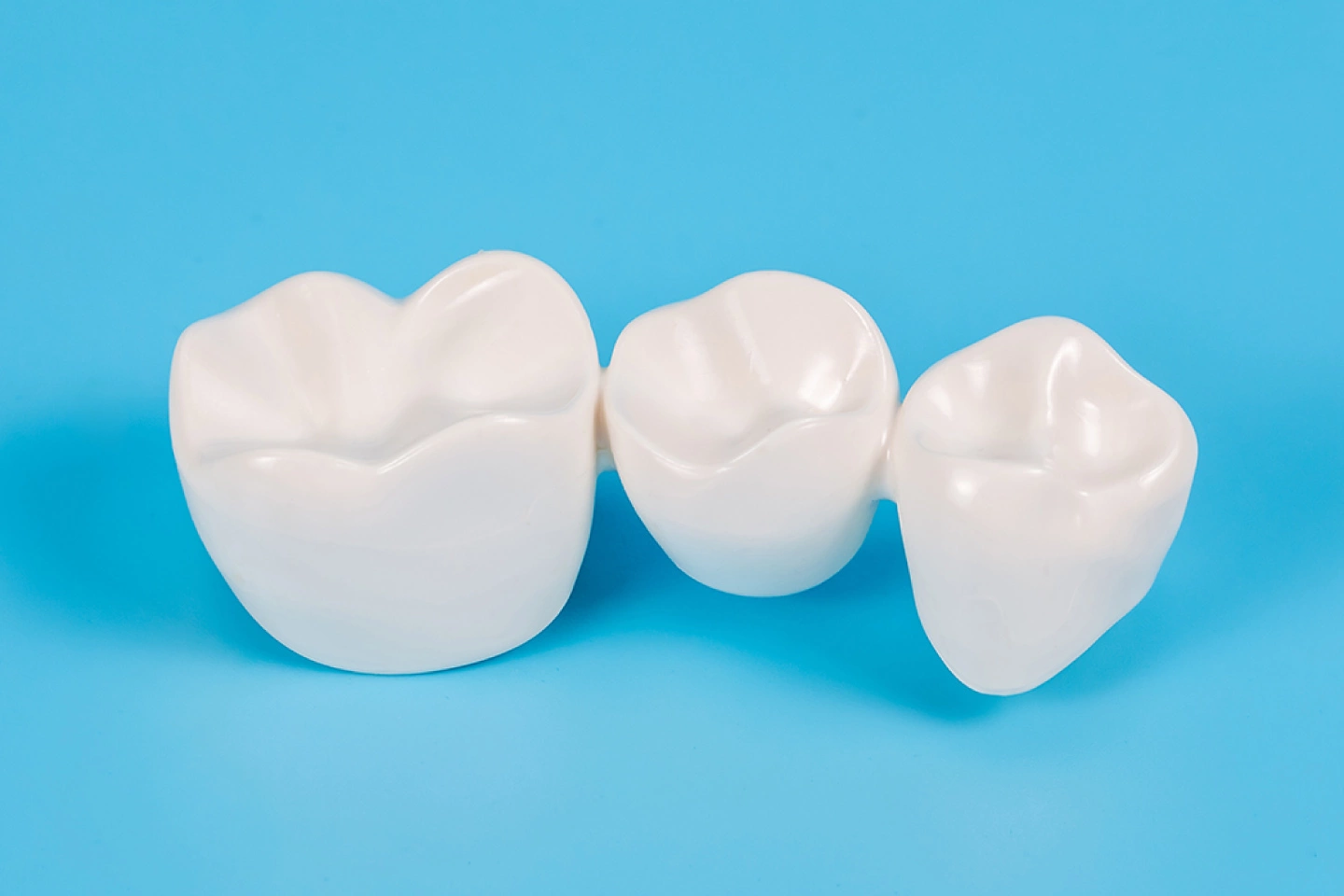
A dental bridge is a fixed prosthetic used to replace one or more missing teeth. It consists of one or more artificial teeth — called pontics — held in place by crowns on adjacent natural teeth (abutments) or implants.
When Do You Need a Dental Crown?
Dental crowns are ideal when your tooth still exists but needs protection or reinforcement. Your dentist at Southbridge Dentistry & Implants may recommend a crown in situations including:
• Tooth decay that is too extensive for a filling
• A cracked, broken, or weakened tooth
• After root canal therapy to protect the treated tooth
• To cover and support a tooth with a large filling
• To improve cosmetic appearance (discolored, misshapen, or worn teeth)
• To cover a dental implant
• To restore a tooth that has had significant wear or trauma
Why Choose a Crown?
Dental crowns are versatile and can:
• Restore normal chewing and biting function
• Protect the remaining tooth structure
• Prevent fracture or further decay
• Blend naturally with your smile when crafted in tooth-colored materials
• Provide long-lasting durability with proper care
When Do You Need a Dental Bridge?
If you’re missing one or more teeth, a dental bridge can fill that gap and restore your smile. Dental bridges are recommended when:
• You have one or more missing teeth in a row
• Teeth adjacent to the space are strong enough to support restoration
• You want to prevent surrounding teeth from shifting
• Missing tooth gaps affect chewing, speaking, or bite alignment
• You want to maintain the natural shape of your face and jawline
Why Choose a Bridge?
Dental bridges offer:
• Replacement of missing teeth without removable dentures
• Improved bite balance and chewing ability
• Better speech function when gaps are restored
• Protection against shifting and misalignment of remaining teeth
• Natural-looking aesthetics when matched to your tooth color
Dental Crown vs. Bridge — Side-by-Side Comparison
Here’s a quick overview of how these two treatments differ:
• Purpose: Crown restores an existing tooth, bridge replaces missing teeth.
• Coverage: Crowns cover one tooth; bridges span a gap, using neighboring teeth for support.
• Procedure: Crown usually requires shaping one tooth; bridge often involves preparing two abutment teeth.
• Longevity: Both can last 10-15+ years with diligent hygiene and regular dental visits.
• Cost: Bridges are typically more costly due to more materials and chair time.
What to Expect During Treatment
Dental Crown Procedure
• Initial exam and tooth preparation — removing decay and shaping the tooth.
• Impression or digital scan for custom fabrication.
• Placement of a temporary crown.
• Final crown placement at a follow-up visit.
Dental Bridge Procedure
• Preparation of abutment teeth by reducing enamel.
• Impression or scan to create the bridge framework.
• Temporary bridge fitted while your custom restoration is made.
• Final bridge cemented in place.
Both processes are typically completed in two visits and are performed under local anesthesia for comfort.
Caring for Your Crown or Bridge
Maintaining your restorative work helps it last longer and keeps your smile healthy:
• Brush twice daily with a fluoride toothpaste.
• Floss daily — especially under bridges using floss threaders.
• Visit your dentist for routine cleanings and checkups.
• Avoid biting hard objects or ice to protect restorations.
• Wear a night guard if you grind your teeth.
Which Is Right for You?
The right choice between a dental crown vs. dental bridge depends on your unique dental situation. At Southbridge Dentistry & Implants, our experienced team evaluates your oral health, functional needs, aesthetic goals, and budget to recommend the best treatment — whether it’s a crown, bridge, implant-supported restoration, or combination solution.
Frequently Asked Questions
Q: How long do crowns and bridges last?
A: With proper care, both crowns and bridges can last over a decade or more.
Q: Are crowns painful?
A: Thanks to local anesthesia and modern techniques, most patients experience minimal discomfort.
Q: Can I get an implant instead of a bridge?
A: Yes — implant-supported crowns or bridges may be an option and are often healthier for adjacent teeth. Discuss with your dentist.
Q: Will insurance cover these treatments?
A: Many dental insurance plans cover part of the cost for medically necessary crowns or bridges. Coverage varies by plan.
Restore Your Smile with Confidence in Southbridge, MA
Whether you’re facing tooth damage, decay, or missing teeth, Southbridge Dentistry & Implants is here to guide you through every step of your smile restoration. Our compassionate team offers advanced, personalized care to help you regain full function and a confident smile.
Ready to find out if a dental crown or dental bridge is right for you? Contact us today to schedule your consultation!


Hours
Monday: 9:00 AM – 7:00 PM
Tuesday – Friday: 9:00 AM – 6:00 PM
Saturday: 9:00 AM – 3:00 PM
Sunday: Closed




© 2026 Southbridge Dentistry & Implants | All Rights Reserved | Privacy Policy | HIPAA Policy | Digital Marketing by Remedo